
Our mission
We take friction out of risk change by bringing its stakeholders together across functions, specialist languages and ways of working.
Risk functions in banks are under pressure from several directions at once: new capital rules, supervisors’ expectations on models, and the arrival of AI. Each of these touches the organisation, the processes, the models, the data and the systems together, and stakeholders in the Front Office, in Finance and in Risk.
Most advisers cover one part of that problem. Management consultants know the operating model; quantitative specialists know the models. RiskTransform brings these disciplines together, with an understanding of the regulation that connects them. Our work is grounded in our own research and publications, and in having done the work inside banks.
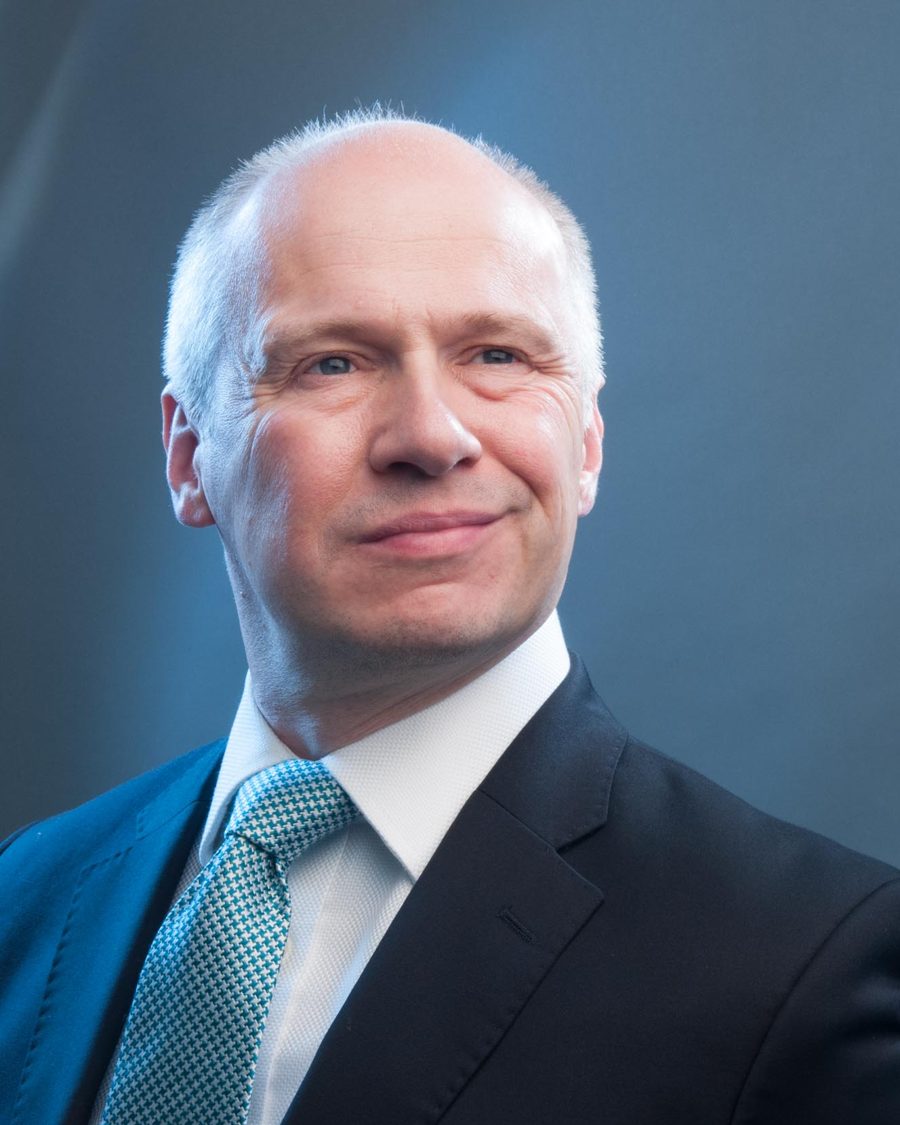
Thomas Obitz has more than 20 years of experience in financial services, combining management consulting, enterprise architecture and quantitative risk management. He has worked with global and regional banks in the UK, Germany, Switzerland, the Middle East and Asia.
He is a recognised expert on the Fundamental Review of the Trading Book. He has led an application for internal model permission with a European supervisor, designed the FRTB target operating model for market risk at an international bank, and validated FRTB internal models. He writes on FRTB for risk.net, most recently in a series with Eduardo Epperlein, and teaches risk.net’s three-day FRTB course.
His recent work focuses on AI in the risk function and its governance: model validation and monitoring, the use of language models in regulatory analysis, and a study of more than 700 documented AI use cases in risk management. He holds GARP’s Risk and AI certification and teaches in risk.net’s course on model risk in the age of AI.
Earlier in his career he was a senior manager in the financial services consulting practices of EY and KPMG in London, led the EMEA enterprise architecture practice of Infosys, and contributed to the TOGAF architecture framework. Before that, he designed and built trading and pricing systems for derivatives.
His MSc dissertation on neural networks in derivatives pricing received the departmental prize for the best thesis. He works in English and German.
eyebrow: Publications and speaking title: Selected work ids: [quo-vadis, state-of-ima, talk-model-risk-ai, ai-adoption-study, nmrf-use-test, ssrn-rfet-2025, model-risk-worth, fight-for-survival, punitive-2017, ssrn-modellability-2016, getting-in-shape]